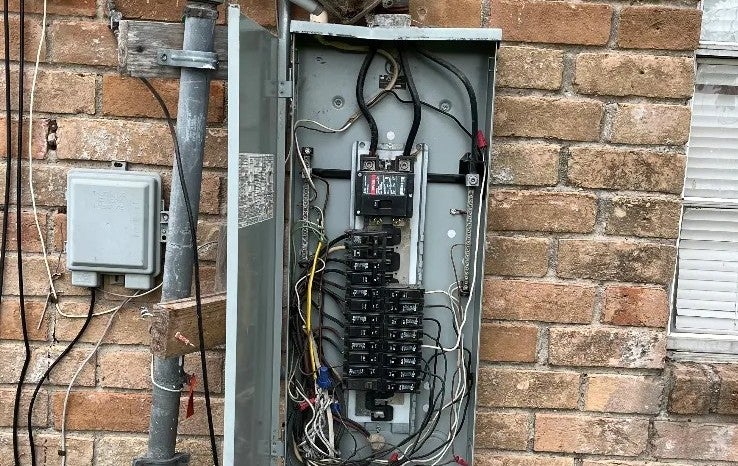
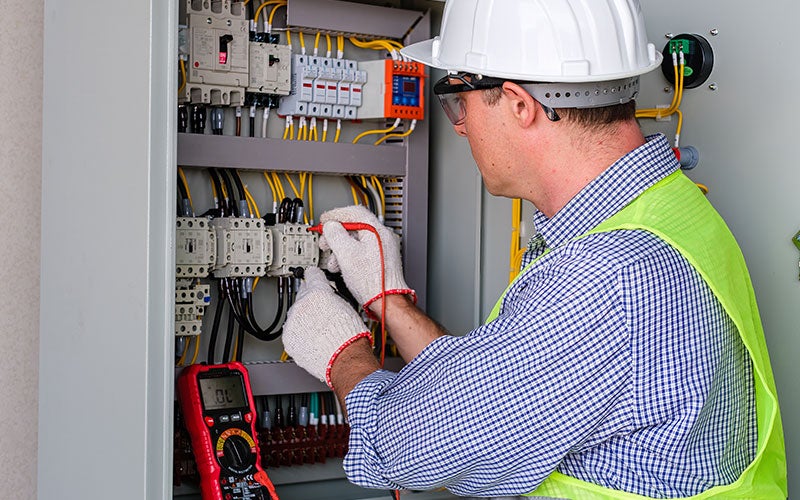
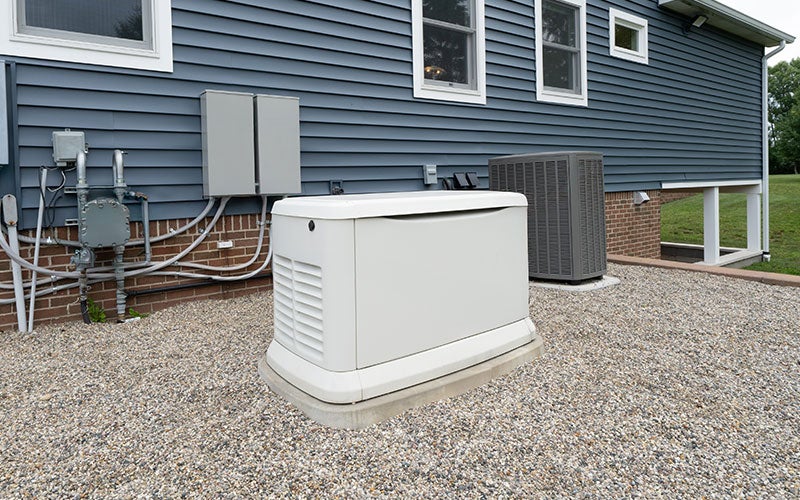
Quick answer: A whole home backup generator is a permanently installed standby system that automatically powers your home when utility power goes out. Installation involves assessing your power needs, choosing a fuel source, connecting an automatic transfer switch, and passing a final inspection. Costs vary based on generator size, fuel type, and site conditions. Power outages don't announce themselves. One moment the lights are on; the next, your HVAC shuts down, your refrigerator stops running, and your home security system goes dark. For homeowners in League City, TX—where hurricane season and severe weather are a real part of life—that uncertainty is something many families deal with every year. A whole home backup generator changes that equation entirely. Rather than scrambling for flashlights or dragging out a portable unit, a standby generator kicks on automatically, keeping your essential systems running without interruption. At Electrical WorX, a locally and family-owned electrical company serving League City, TX and surrounding areas for over 25 years, whole home generator installation is one of the most requested services from homeowners who want reliable backup power before the next storm hits. This guide walks through how the installation process works, what factors influence cost, and what to expect at every stage—so you can make an informed decision for your home. What Is a Whole Home Backup Generator? A whole home backup generator—also called a standby generator—is a permanently installed system that automatically supplies electricity to your home when utility power is interrupted. Unlike portable generators, which require manual setup and can only power a few appliances at a time, a standby generator is hardwired directly into your home's electrical system. The key component that makes this possible is the automatic transfer switch (ATS). When the transfer switch detects a loss of utility power, it disconnects your home from the grid and switches power over to the generator—typically within seconds. When utility power is restored, the switch transfers back automatically. No extension cords, no manual intervention, no delay. Standby generators run on a dedicated fuel source, such as natural gas or propane, and are designed to operate for extended periods. This makes them fundamentally different from portable units, which are limited by fuel capacity and can't safely be run indoors. How Whole Home Generator Installation Works Generator installation is not a single-step process. It involves careful planning, coordination between trades, and adherence to local codes. Here's what the process typically looks like, step by step. Step 1: Assessing Your Home's Power Needs The first step is figuring out how much power your home actually needs during an outage. This involves identifying which appliances and systems are critical—HVAC, refrigerator, water heater, sump pump, lighting, medical equipment—and calculating the electrical load they require. A licensed electrician will perform a professional load calculation to determine the right generator size for your home. Skipping this step, or guessing, often results in an undersized generator that can't handle the demand—or an oversized unit that costs more than necessary. Proper sizing is one of the most important decisions in the entire installation process. Step 2: Choosing the Generator Location Standby generators are installed outdoors, typically on a concrete pad near the home's gas meter or propane tank. Location selection isn't arbitrary—there are clearance requirements from windows, doors, and utility meters, as well as ventilation needs and local code requirements to consider. The chosen location must allow safe access for maintenance, comply with manufacturer specifications, and meet any applicable municipal or HOA requirements. A licensed installer will review all of these factors before finalizing placement. Step 3: Selecting a Fuel Source Most whole home backup generators run on either natural gas or propane. Natural gas connects directly to your home's existing gas line, offering a continuous fuel supply without the need to refill tanks. Propane is stored on-site in a tank and is a strong option for homes without access to a natural gas line. The right fuel source depends on what's already available on your property, the generator model you select, and your budget. A generator professional can help you weigh the trade-offs based on your specific situation. Step 4: Installing the Generator and Transfer Switch Once the location is confirmed and the fuel source is selected, the physical installation begins. This involves: Setting the generator on a concrete pad Running the fuel line connection Installing the automatic transfer switch at or near your electrical panel Connecting the generator to your home's electrical system The automatic transfer switch is wired between your utility service and your electrical panel. It continuously monitors incoming utility power. When power drops, the ATS signals the generator to start, waits for it to reach stable output, and then transfers the electrical load from the grid to the generator. The whole process typically happens in under 30 seconds. Step 5: Testing and Final Inspection Before any generator is considered ready, it needs to be thoroughly tested. This includes verifying all electrical connections, confirming the generator starts and runs properly under load, and testing the transfer switch functionality in both directions—utility to generator and back again. Many installations also require a permit and a final inspection by a local building official. Electrical WorX handles the permitting process and ensures all work complies with applicable codes, so homeowners don't have to navigate that process alone. How Much Is a Whole Home Generator? This is one of the most common questions homeowners ask—and the honest answer is that there's no single price that applies to every home. When considering how much is a whole home generator, the total cost depends on a combination of factors that vary from property to property: Generator size and capacity — Larger generators that can power an entire home cost more than smaller units designed for essential loads only Generator brand and model — Different manufacturers offer different price points and feature sets Fuel type — Natural gas and propane systems may differ in upfront and ongoing costs Electrical panel or service upgrades — Some homes require panel upgrades before a generator can be safely connected Transfer switch type and requirements — Whole-home transfer switches cost more than essential-load configurations Gas line or fuel infrastructure — Extending a gas line or installing a propane tank adds to the overall cost Site preparation — If a concrete pad needs to be poured or the site requires grading, that factors in Permits and inspections — Required in most jurisdictions and part of a complete, code-compliant installation Rather than relying on an online estimate that doesn't account for your home's actual conditions, the most accurate way to understand how much is a whole home generator for your property is to request a professional assessment. Electrical WorX provides free estimates within 2–3 business days for homeowners in the League City, TX area. What Size Whole Home Generator Does Your Home Need? Generator sizing matters more than most homeowners realize. A unit that's too small will struggle under load or fail to power critical systems. One that's too large means you've paid for capacity you'll never use. Sizing comes down to two approaches: essential-load coverage or whole-home coverage. Essential-load systems are sized to power critical appliances—HVAC, refrigerator, water heater, lights, and sump pump. Whole-home systems are sized to handle everything in the house simultaneously. Key appliances that significantly affect sizing include: Central air conditioning and heating systems (typically the largest load) Electric water heaters Refrigerators and freezers Sump pumps Home office equipment and entertainment systems A licensed electrician performs a load calculation based on the actual wattage of your appliances and circuits. That calculation drives the generator size recommendation—and getting it right from the start avoids costly corrections later. Benefits of Installing a Whole Home Backup Generator Homeowners who install a standby generator consistently report that the peace of mind alone makes it worthwhile. Beyond that, the practical benefits are significant: Automatic operation — No manual setup required when power goes out, day or night Whole-home coverage — Keeps HVAC, refrigerators, and other major systems running Protection for essential systems — Medical equipment, sump pumps, and security systems stay online Food preservation — Avoids costly food spoilage during extended outages Comfort during severe weather — Heating and cooling remain available when you need them most Year-round reliability — Standby generators are designed for long-term, repeated use For League City, TX homeowners who deal with Gulf Coast storms and unpredictable weather, backup power isn't a luxury—it's a practical safeguard. Maintaining Your Whole Home Generator A standby generator that sits unused for months can develop problems at exactly the wrong moment. Regular maintenance keeps the system ready when you actually need it. Key maintenance tasks include: Periodic self-test runs — Most modern generators run a brief automatic test weekly to confirm they're operational Oil and filter changes — Required at manufacturer-specified intervals, similar to a vehicle engine Battery checks — The starter battery should be inspected and replaced as needed Fuel system inspections — Connections and fuel supply lines should be checked regularly Air filter inspection — Clean air filters support proper engine performance Professional annual service — A licensed technician can catch issues that aren't visible during routine checks Following the manufacturer's maintenance schedule—and scheduling periodic professional service—significantly extends the life of your generator and keeps it ready for the next outage. Why Choose Electrical WorX for Generator Installation in League City, TX? Generator installation involves multiple licensed trades, local permitting, and precise electrical work. Choosing a qualified local electrician ensures the job is done safely, correctly, and in compliance with applicable codes. Electrical WorX has been serving homeowners in League City, TX, Pearland, Galveston, and surrounding areas for over 25 years. As a locally and family-owned company, Electrical WorX understands the power challenges that Gulf Coast homeowners face—and provides generator solutions tailored to each property's unique needs. Every installation includes proper load assessment, correct sizing, safe electrical connections, and a full system test before the project is complete. Electrical WorX also stands behind its work with a one-year warranty on parts and labor. To learn more about what's available for your home, visit the whole home generator services page. Get Started With Whole Home Generator Installation The best time to install a whole home backup generator is before you need it. Having your home evaluated now means you can select the right system, plan for the installation, and have backup power in place ahead of hurricane season or the next unexpected outage. A professional assessment will clarify what size generator your home needs, which fuel source makes the most sense, and what the installation will involve—so there are no surprises. Contact Electrical WorX to schedule a free estimate within 2–3 business days. Backup Power Starts With the Right Installation Installing a whole home backup generator is a meaningful investment in your home's resilience. When done correctly—with proper sizing, professional electrical connections, the right fuel source, and a code-compliant automatic transfer switch—a standby generator provides reliable, automatic power every time the grid goes down. For homeowners in League City, TX, that reliability carries real weight. Electrical WorX has spent more than 25 years helping local families protect their homes with quality electrical services. If you're considering a whole home backup generator, don't wait for the next storm to make the decision for you. Frequently Asked Questions How long does whole home generator installation typically take? Installation timelines vary based on site conditions, permitting requirements, and any necessary electrical upgrades. A straightforward installation can often be completed in one to two days, but more complex projects may take longer. A professional assessment will give you a clearer picture of the timeline for your specific home. What is an automatic transfer switch and why does it matter? An automatic transfer switch (ATS) is a critical component that monitors your home's utility power and automatically switches your electrical system over to the generator when an outage is detected. Without a properly installed transfer switch, a standby generator cannot safely or automatically power your home. How much is a whole home generator, and what affects the price? The total cost of a whole home generator varies depending on generator size and brand, fuel type, electrical panel condition, transfer switch requirements, gas line work, site preparation, and permitting. There is no single price that applies to every home. A professional on-site assessment provides the most accurate estimate for your situation. Can I install a whole home generator myself? Whole home generator installation involves licensed electrical work, gas line connections, local permits, and code compliance—all of which require licensed professionals. Attempting a DIY installation can create serious safety hazards and may void the generator's warranty. Professional installation ensures the system operates safely and correctly from day one.